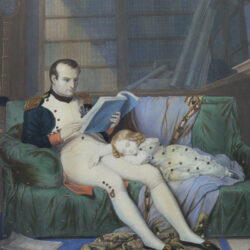
Understanding what “After,” “Circle of,” and “School of” really mean in Fine Art
When buying, selling, or researching artworks, you’ll often encounter attribution terms like...
Read more
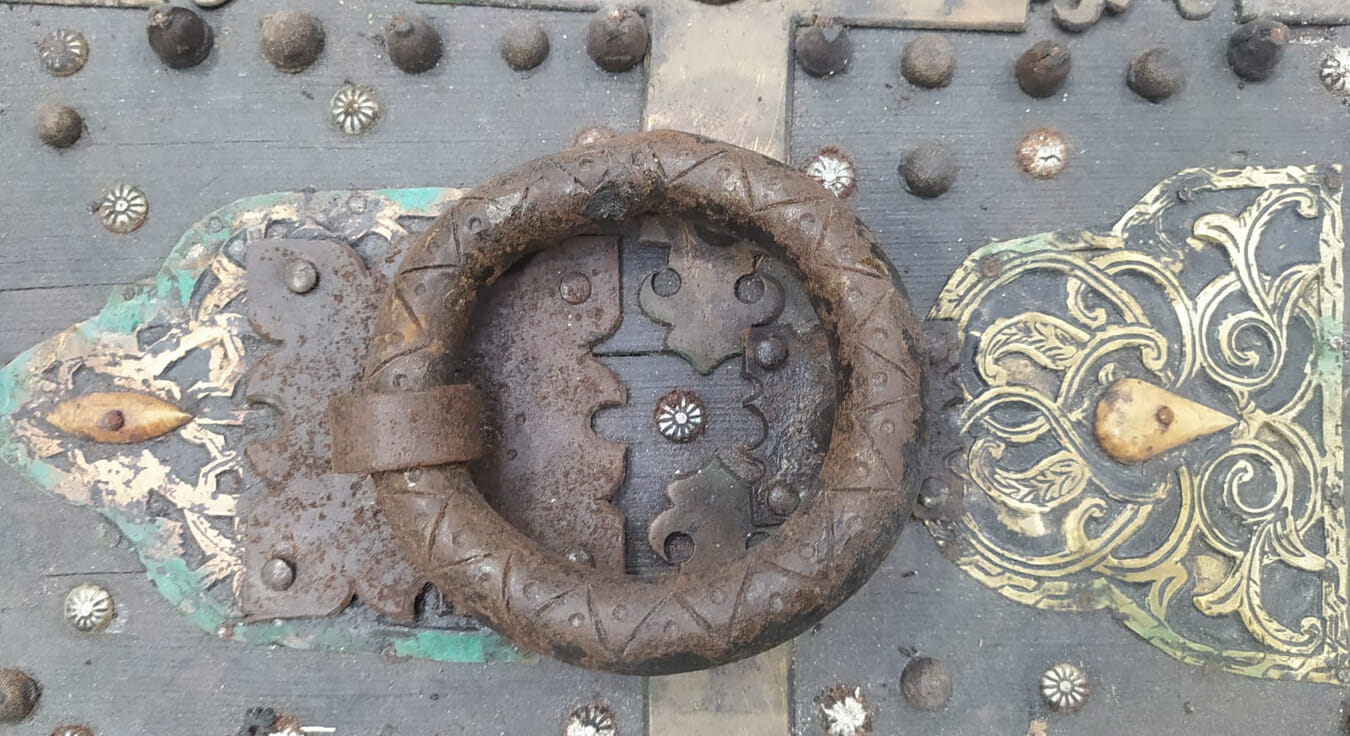
Over time a metallic element on antique or modern furniture may become tarnished or begin to deteriorate due to rust and further reactions in the structure. This can be accelerated by environmental factors or be purely down to the age of the piece.
Tarnishing occurs due to a chemical reaction which blights the appearance of certain metals including brass, copper, and aluminium. This reaction is caused by oxygen, and depending on the type of metal can happen rapidly or over a long period of time. It may appear as a dull tone which disturbs the original shine of features such as handles or can create an almost black layer covering the affected area. Luckily, tarnishing actually protects the metal beneath it from further discolouration and can be restored by our team with a conservation-approved solution.


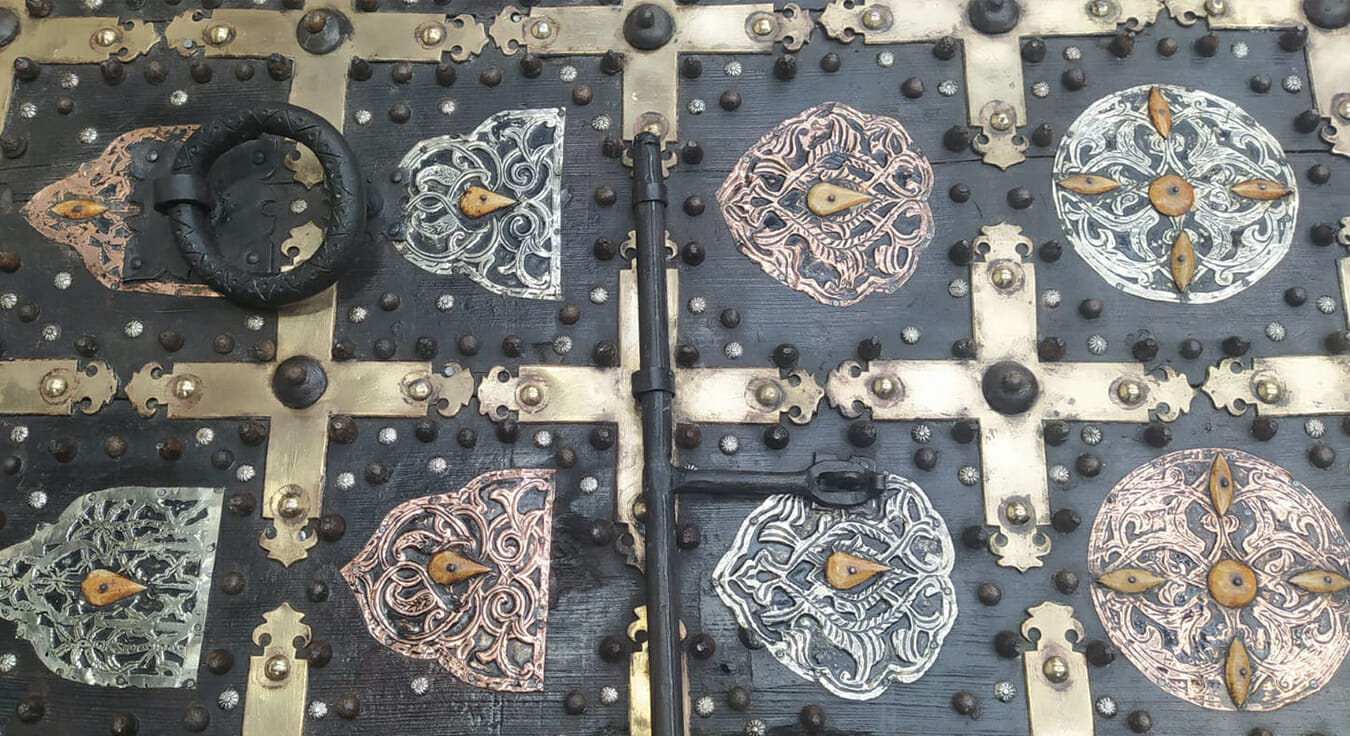
Rust can be cleared to limit deterioration. Where a metal element is unable to be saved, our team can replace it with an era-appropriate replacement or a specially made recreation of the original.
Rust can be accelerated by damp conditions and moisture exposure, but can also develop over a long period of time due to age. This should always be treated as soon as possible for the best results.
If you have a piece of furniture which is suffering from tarnished or rusting metal details or handles, please get in touch with our furniture restoration team who will be able to assess, quote and offer treatment options.
When buying, selling, or researching artworks, you’ll often encounter attribution terms like...
Read more
Ironstone ceramics are a cornerstone of 19th century pottery, valued for durability,...
Read more
It began with an enquiry about a small but remarkable skeleton sculpture....
Read more