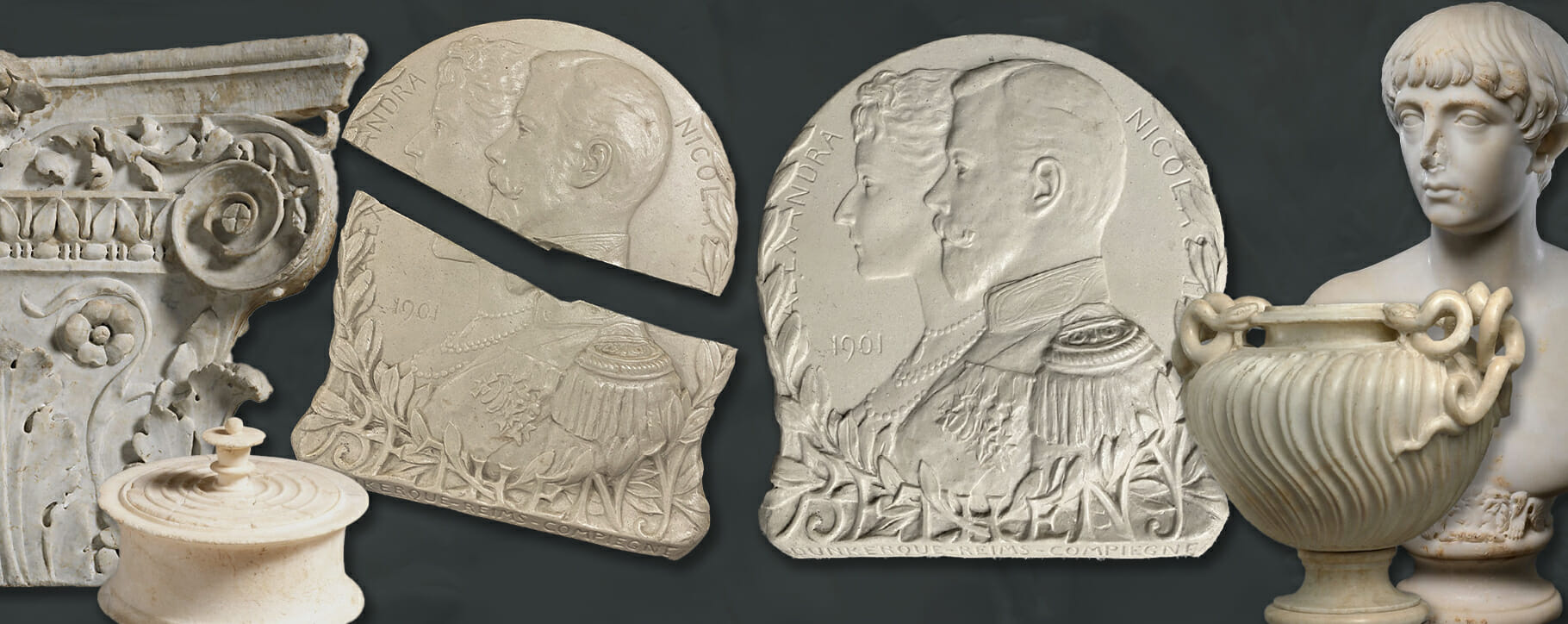
We are happy to assist with the care and restoration of decorative objects and statues. Please fill in our form below and we will be in touch to discuss your project further.
Marble & Alabaster Restoration
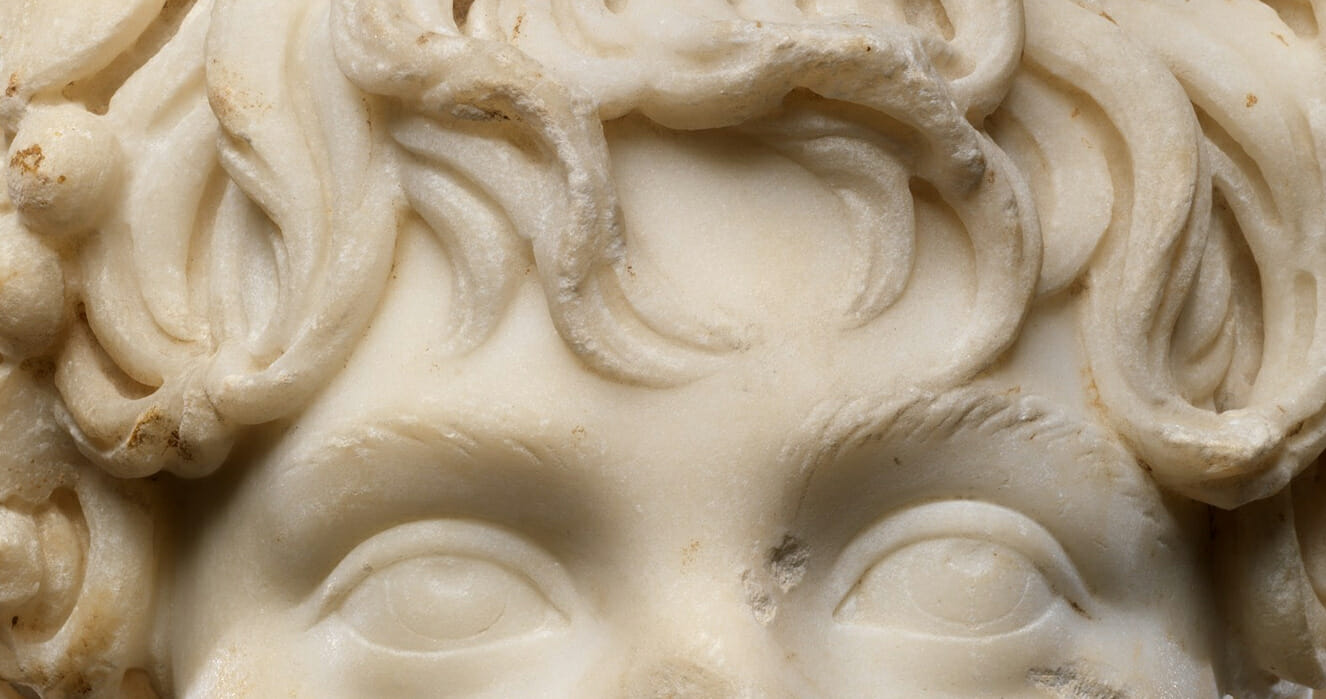
Marble and alabaster items can survive for thousands of years in the correct conditions. With a conservation approach, each sculptural item is fully assessed to ensure a safe and appropriate method for cleaning or repairs.
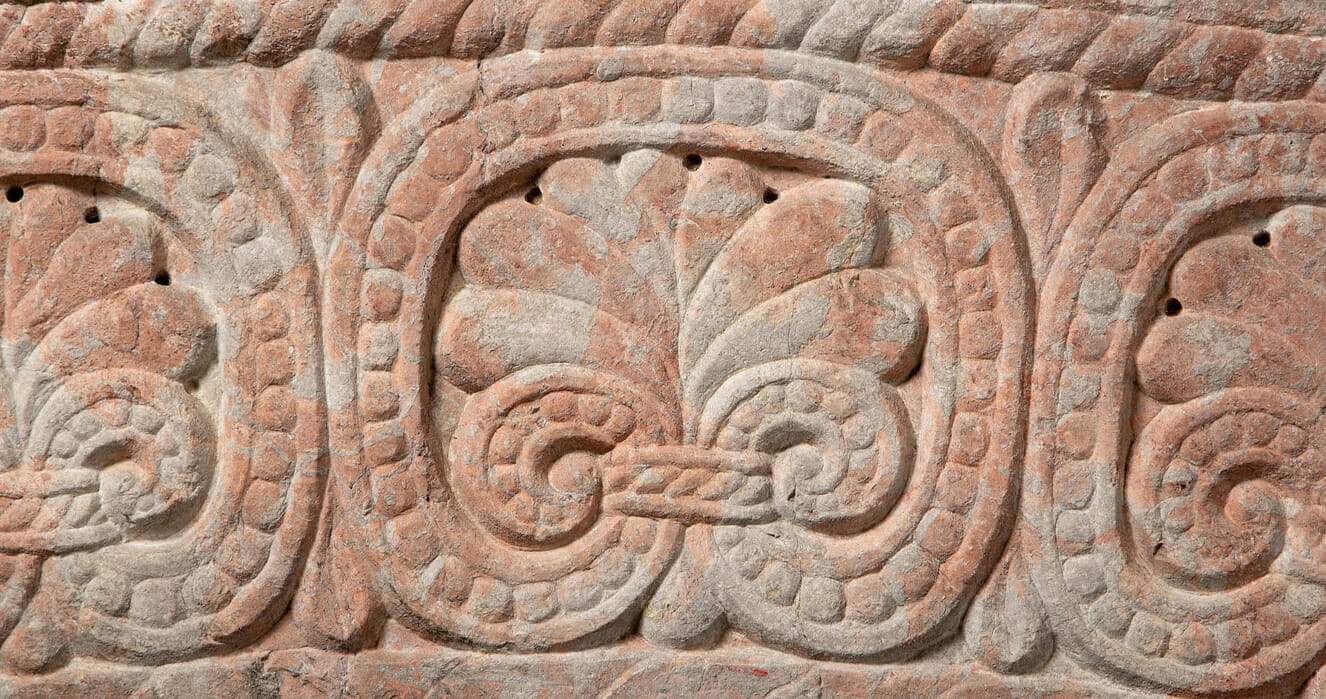
Marble sculptures and alabaster objects can be treated in our studio. We can treat a variety of items – from ancient artefacts to contemporary art.
Conservators are able to restore any accidental or environmental issues these materials may face, ensuring that they continue to be preserved and on display.
What can we restore?
- Broken pieces
- Missing areas
- Surface discolouration
- Stains and contaminants
- Old repairs that have discoloured or failed
- Unstable display bases
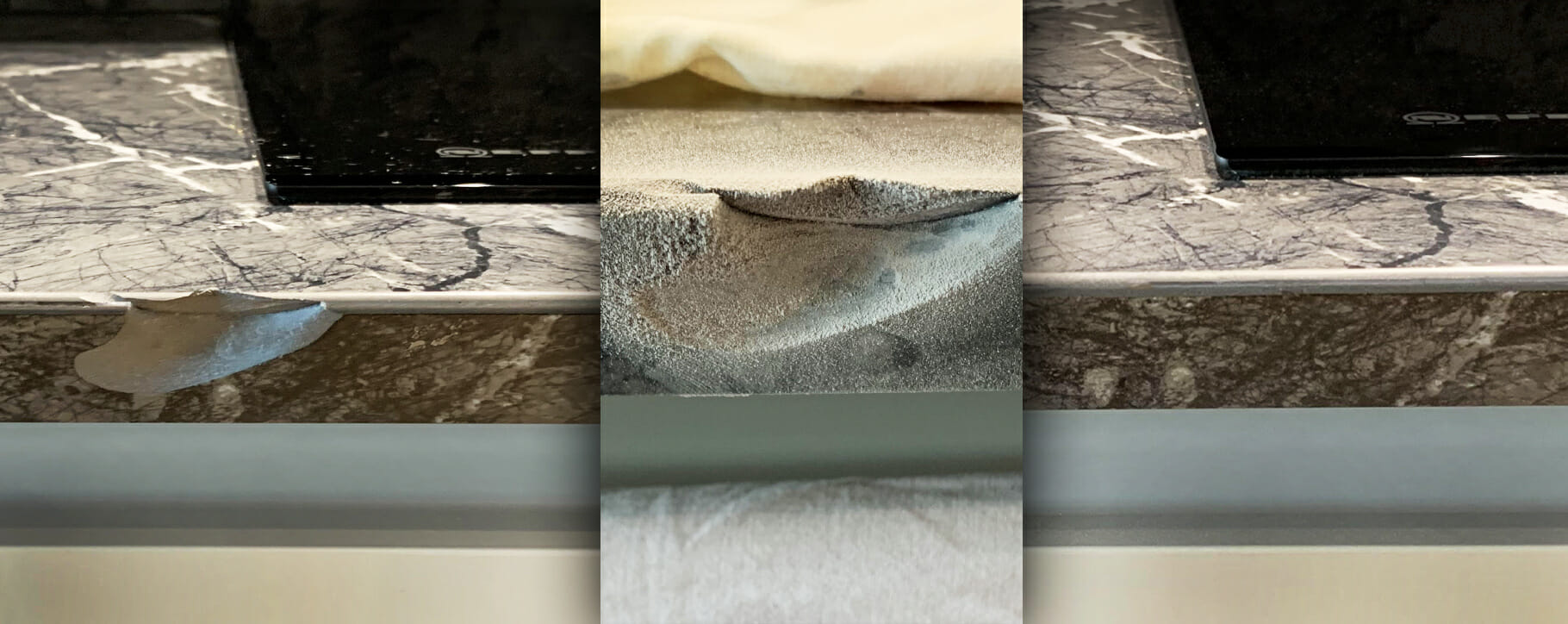
- Chips and cracks
- Abrasions and unstable surfaces
Alabaster Repairs
Alabaster is formed of either gypsum or banded calcite, these are bright, translucent and soft minerals that are easy to sculpt. You may come across different names for this material such as Egyptian alabaster, travertine, fengite, oriental alabaster, anhydrite or onyx marble.
Gypsum is so soft that it can be easily marked, whilst calcite pieces are more hard-wearing. Therefore, many challenges facing alabaster result from this potentially fragile surface.
Alabaster can be easily scratched or lose fine details through improper handling and display. Accidental stains, cracks, chips and breakages are also common problems.
These can all be restored with specialist treatments by our qualified conservators, ensuring a museum level of repair and appropriate use of adhesives.
Damaged Marble
Broken marble is usually caused accidentally. We often see cracks, dents and lost areas following a fall, as well as issues during transportation. Surface discolouration and structural instability may also result from improper cleaning techniques, open air display or environmental issues.
Amateur repairs with household adhesives such as glue and tape may lead to acidic decay and yellow discolouration. During restoration this can be sensitively removed and replaced with a conservation appropriate solution.