 WhatsApp us
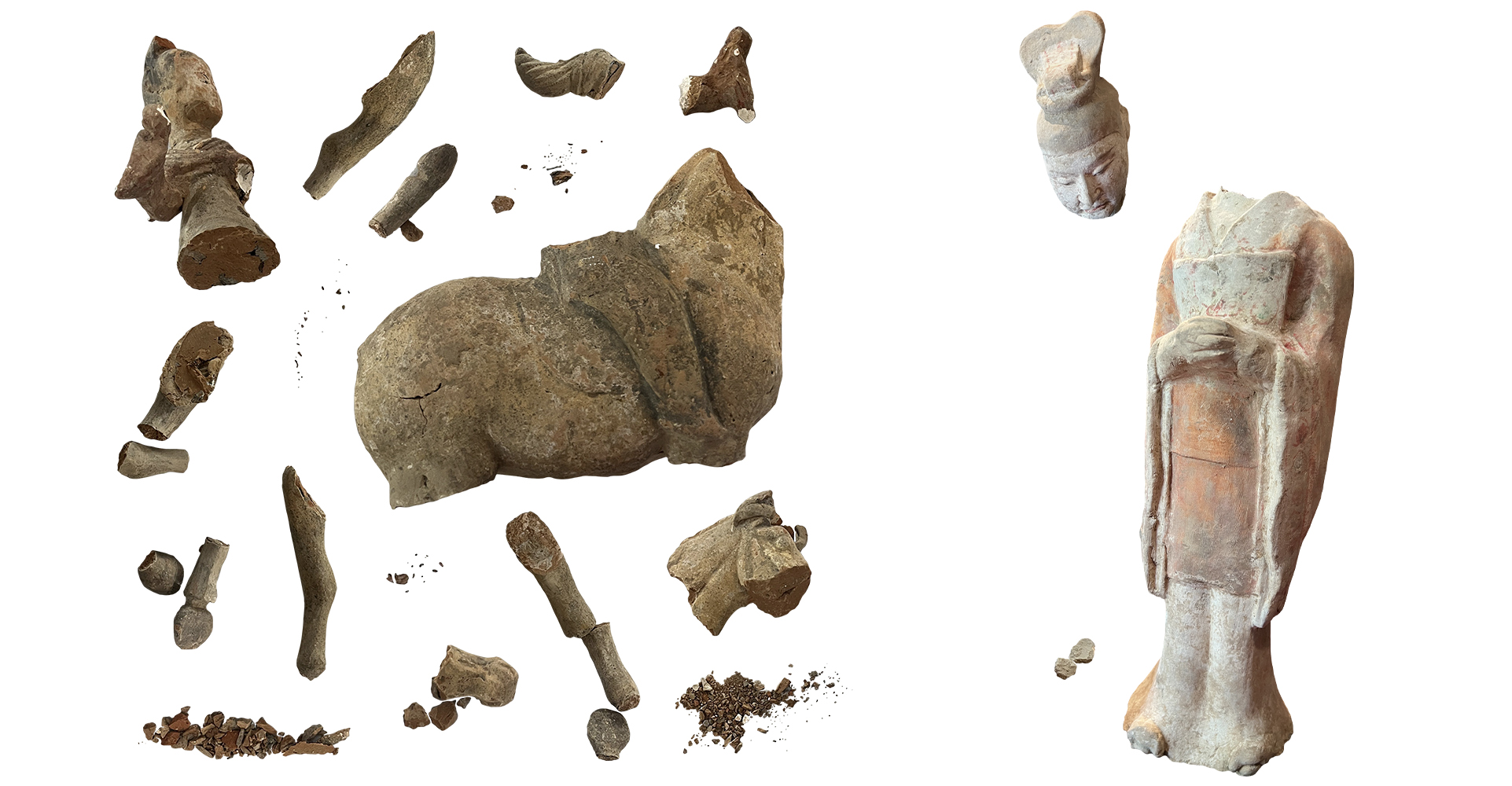
A detached head, a broken arm or even a horse shattered into numerous fragments can make an ancient ceramic figure appear beyond repair.
Yet after surviving for more than a thousand years, damage of this kind is not unusual among terracotta Tang Dynasty figures. For collectors, the concern is often not only whether the object can be repaired, but whether restoration can be carried out without compromising its value, authenticity or ancient appeal.
Age, historic repairs and accidental damage can leave these objects fragile or incomplete, making a sensitive approach particularly important. The aim is to restore structural stability and visual coherence while preserving original surfaces, pigments, patina and other signs of age that contribute to the object’s character and historic integrity.
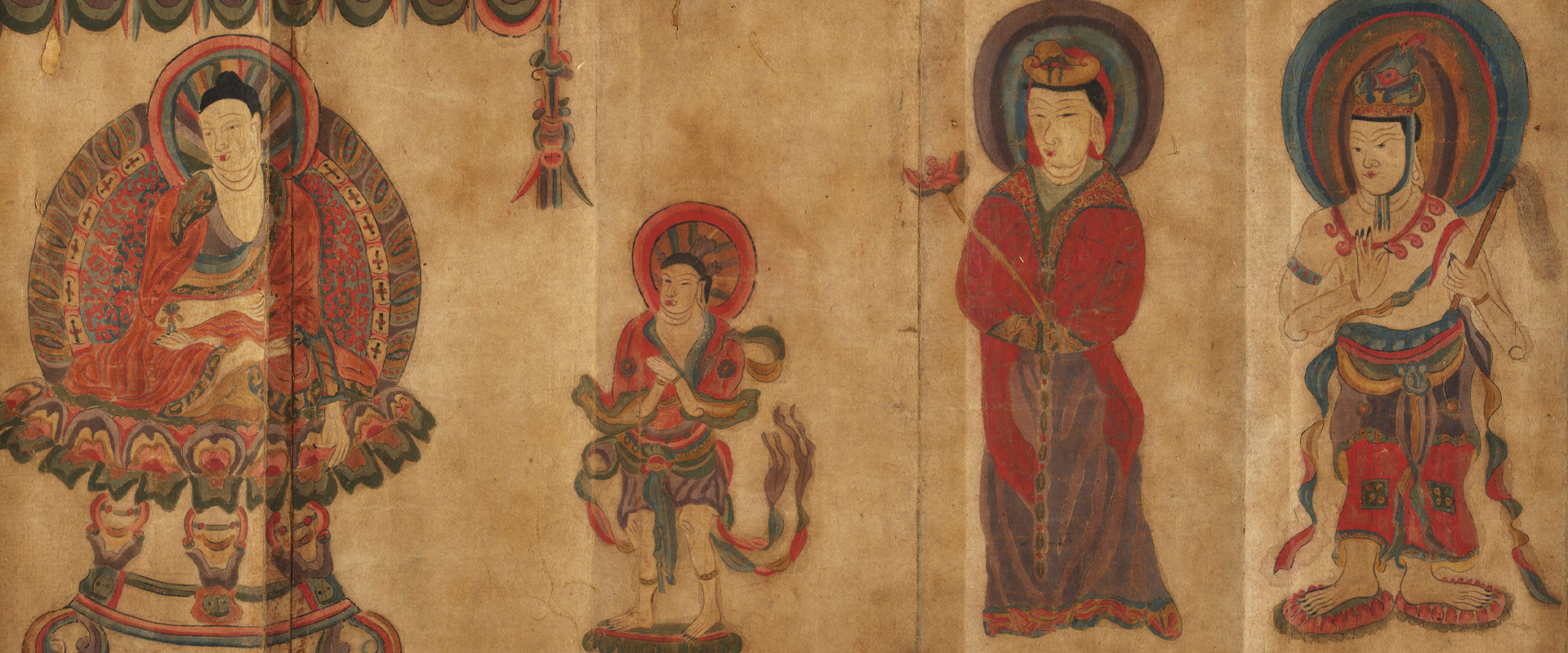 Above: detail from a Tang Dynasty Buddhistic Sutra
At Fine Art Restoration Company, we have restored many Tang Dynasty figures over the years. As a key part of this service, our objects conservator specialises in minimal-intervention conservation, carefully stabilising and repairing damage while preserving the qualities that reflect an object’s age and history.
In this article, we explore two recently restored Tang ceramics: a court official with a break at the neck and a horse and rider shattered into numerous pieces during transit.
If you have a damaged Tang Dynasty figure, historic ceramic or archaeological object, contact our team for a free estimate and treatment recommendations.
What Are Tang Dynasty Figures?
Dating to the Tang Dynasty (618–907 AD), these remarkable ceramic statues were often created as mingqi, or ‘spirit goods’, intended to accompany the deceased in burial.
Tomb groups could include attendants, court officials, horses, musicians and other figures representing aspects of the life and status of the person they were buried alongside.
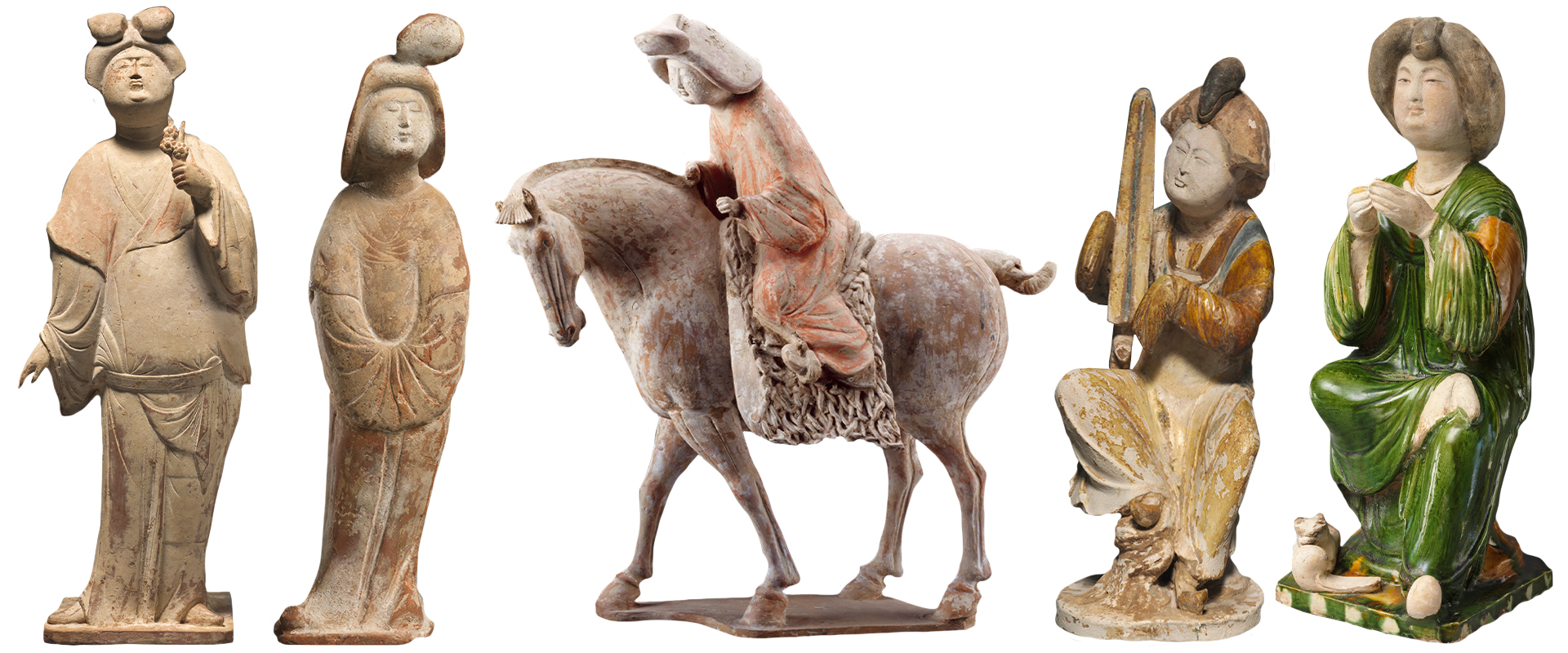
Horses were particularly important, reflecting their role in transport, military life and elite society. Horses and riders consequently became some of the most recognisable forms of Tang funerary sculpture, ranging from standing animals to more animated equestrian figures.
Many were also originally far more colourful than they appear today. Surviving examples can retain traces of painted decoration, with small remnants of red, black, white and other pigments providing a glimpse of their original appearance.
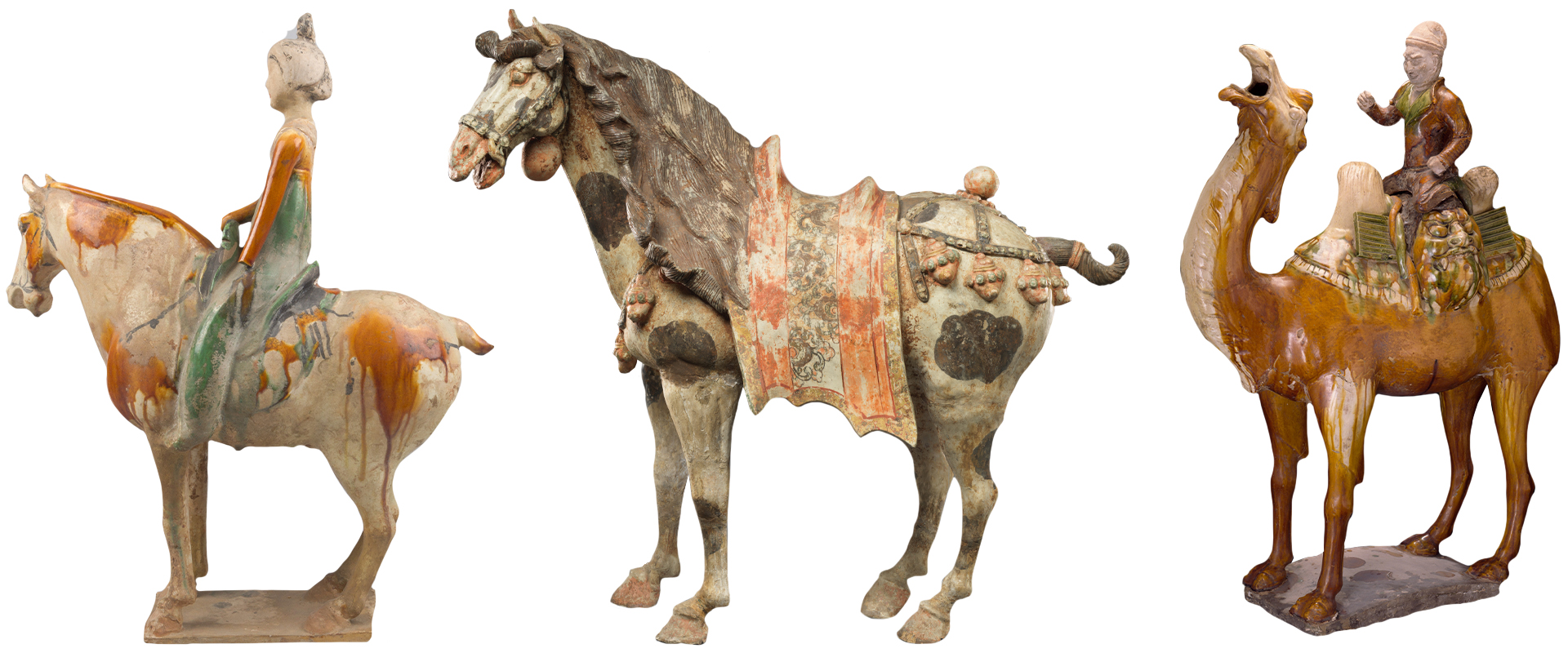
This surviving decoration is particularly important during conservation. Even where only small areas remain, original pigment, surface deposits and natural ageing can contribute to the history and character of the object and should not automatically be cleaned away.
Why Do Ancient Chinese Figures Often Lose Their Heads and Limbs?
The construction makes certain areas inherently susceptible to damage. The neck of a standing figure creates a relatively narrow junction between two heavier masses. Arms project from the body, while a horse’s legs, tail, ears and rider provide numerous vulnerable points.
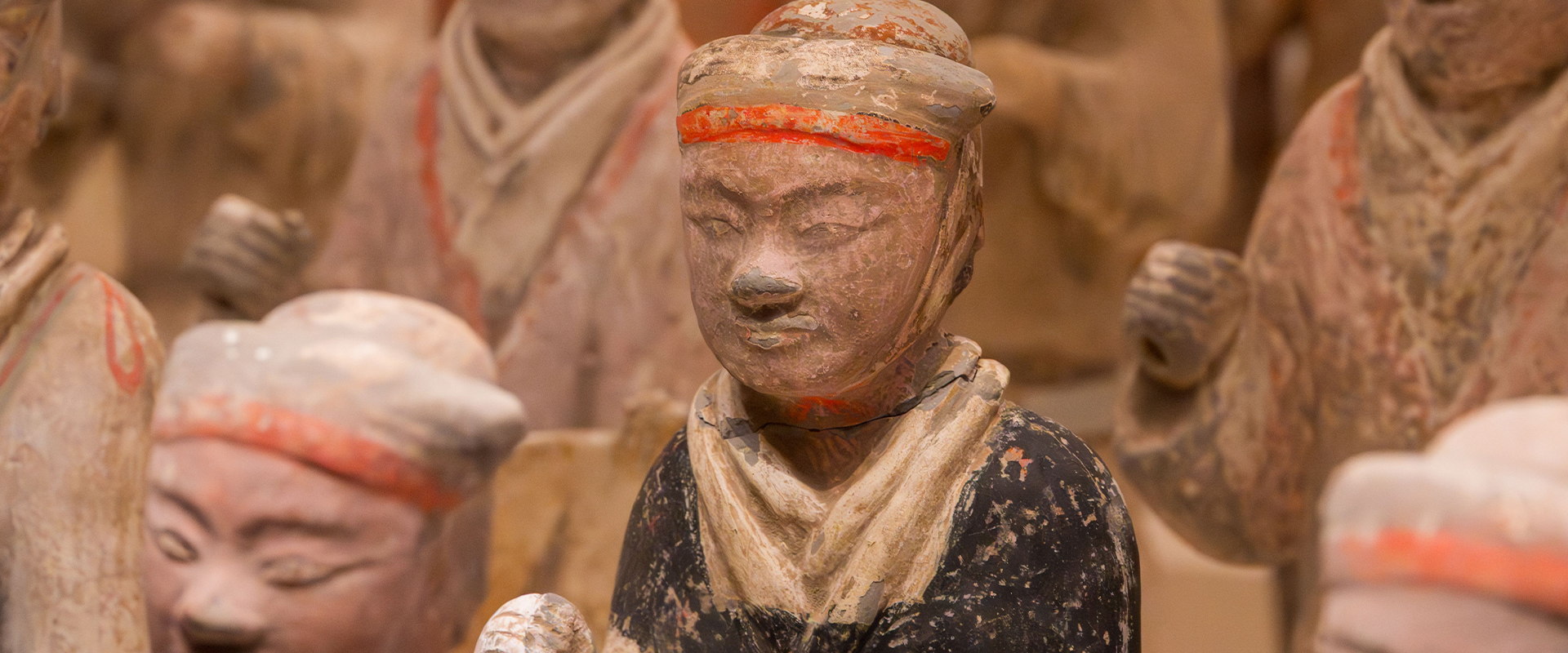 Above: a collection of Han Dynasty figures
After perhaps 1,200–1,400 years, these weaknesses are compounded by burial conditions, historic repairs, movement between collections, display and modern transportation.
Two projects in our studio demonstrated this in very different ways.
Restoring a Tang Figure With a Broken Neck
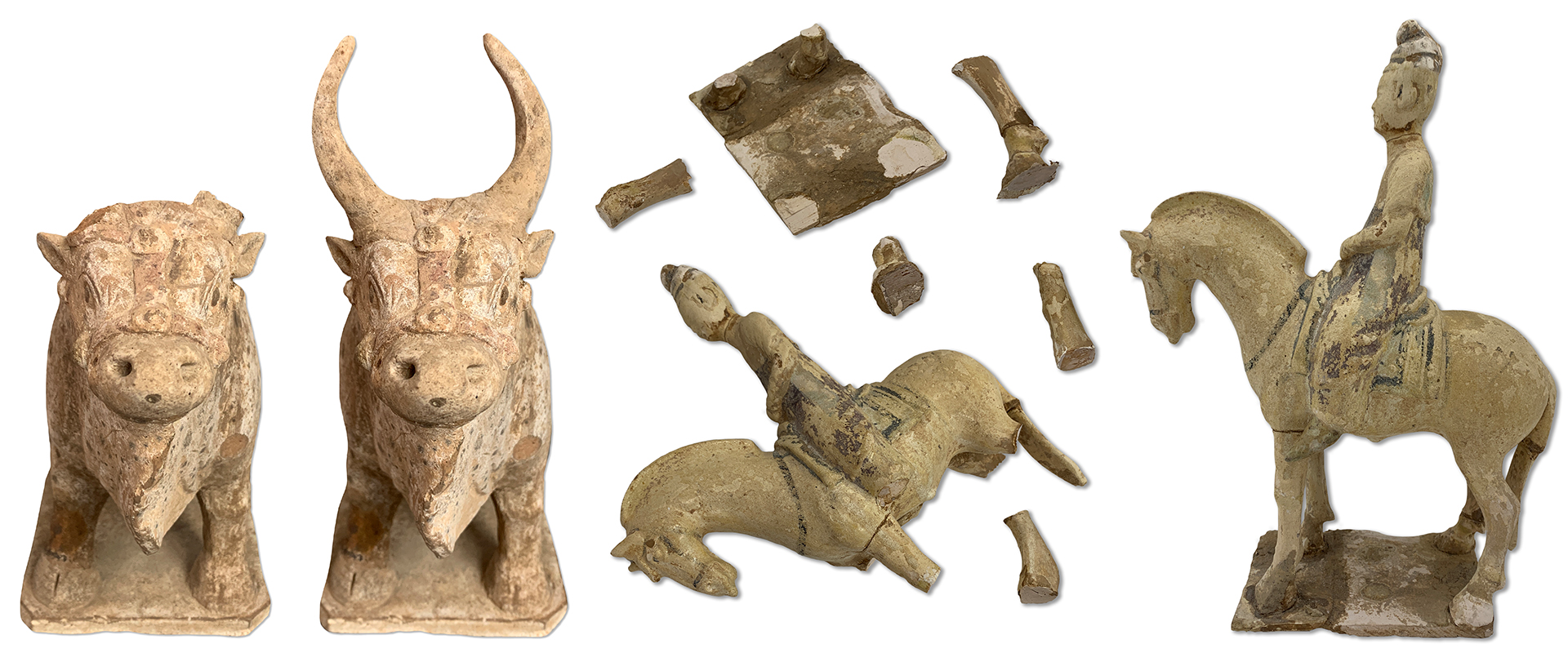
The first of these projects was a Tang Dynasty court official, who arrived with his head completely detached. Examination found a relatively clean break with only small areas of ceramic missing, together with a small chip to the foot and loose earthen material within the hollow figure.
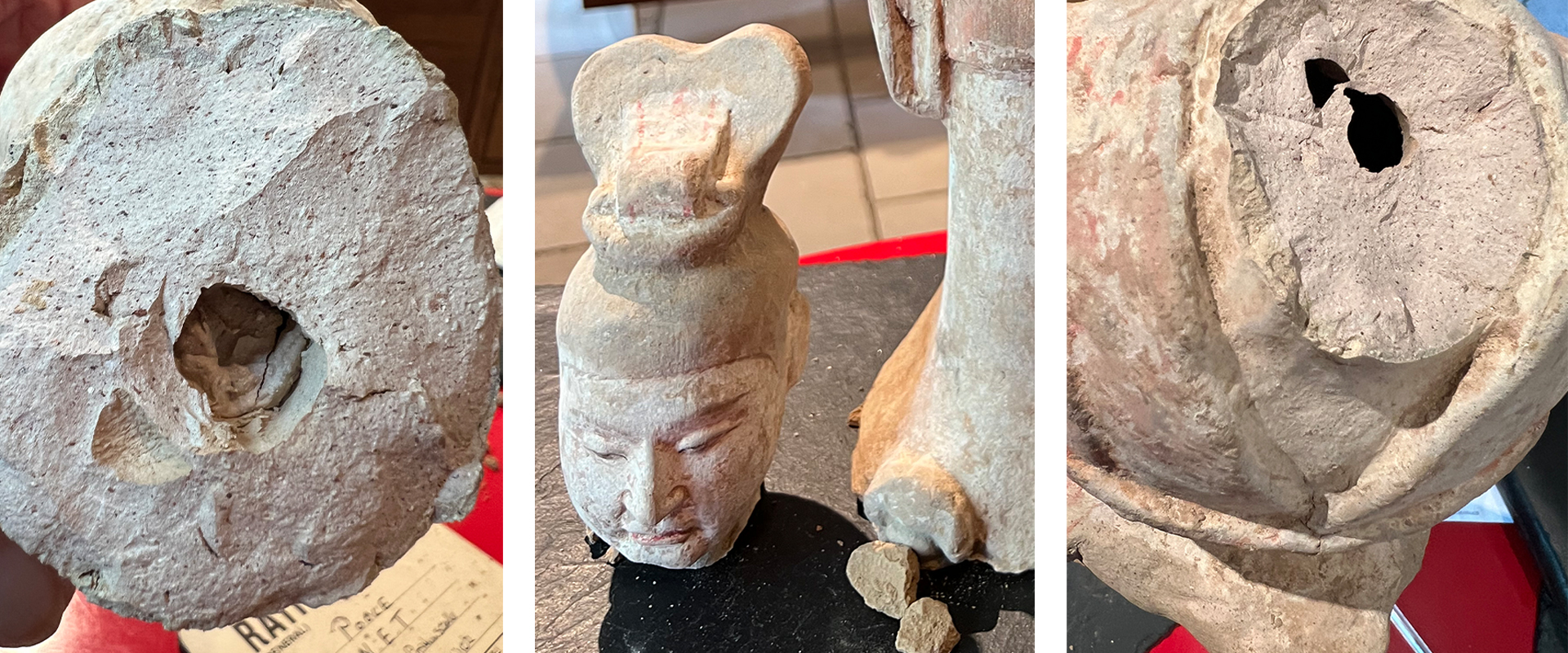
Rather than trying to make the object appear untouched by time, our conservator recommended consolidating and bonding the original break edges, filling only the necessary losses around the neck and foot, refining those fills and carrying out restrained retouching.
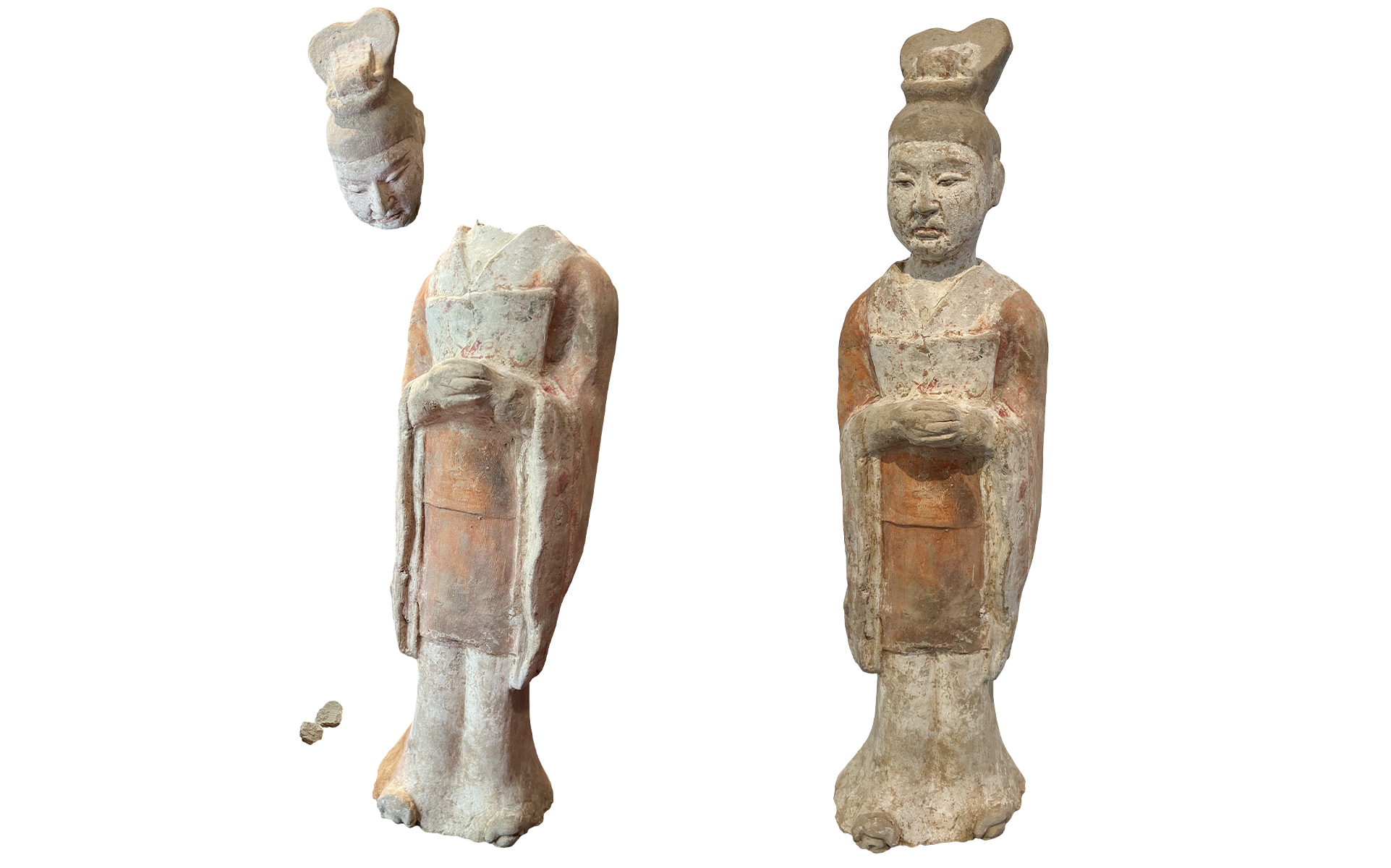
Loose material from the interior was deliberately retained separately rather than being unnecessarily reattached. That distinction is important as successful archaeological conservation does not mean removing every indication that an object has been damaged.
A Tang Horse & Rider Broken Into Pieces
Our second project involved a much more extensive reconstruction. The sculpture was a Tang Dynasty lady on horseback which had been badly damaged in its perspex box during transportation.
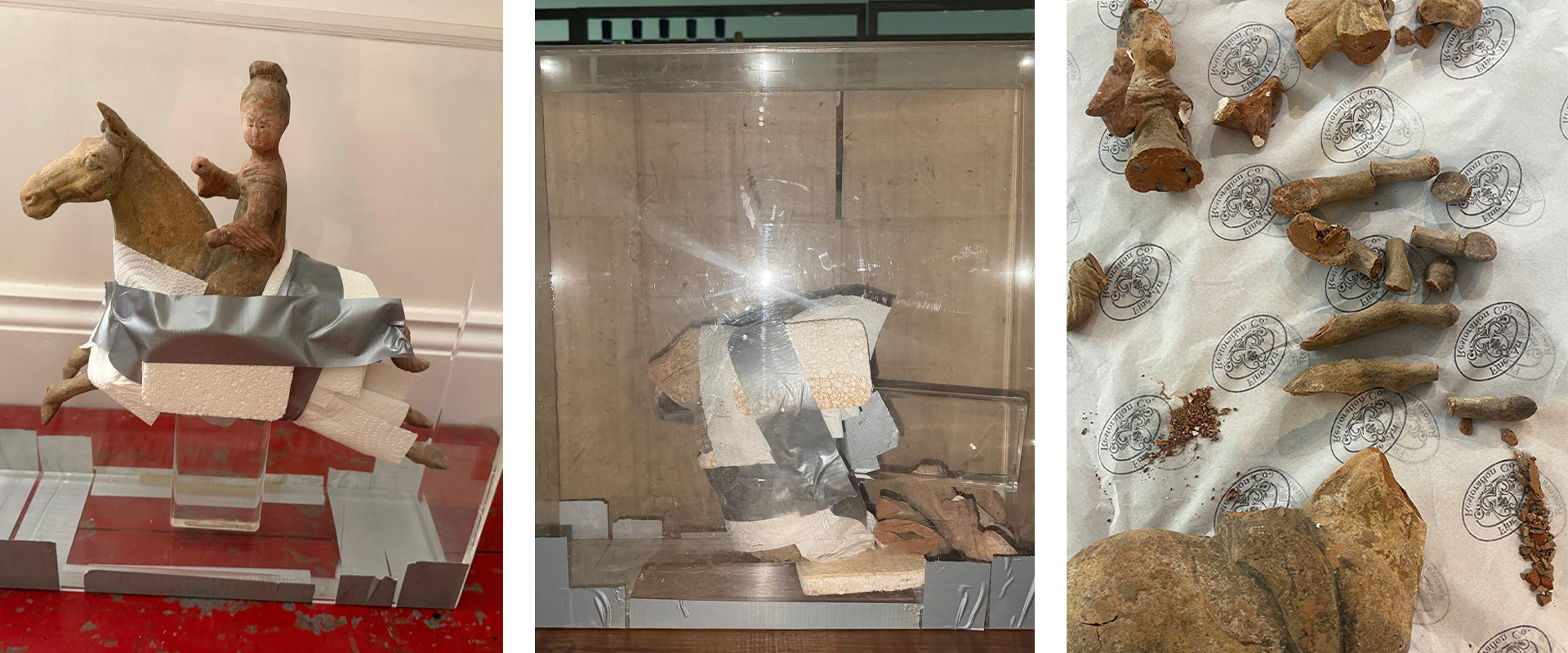
An accompanying scientific certificate from 1998 describes the figure as Joueuse de Polo and records thermoluminescence testing of two samples from the terracotta. The results found evidence of an ancient firing consistent with the presumed Tang Dynasty date of 618-907.
Perhaps surprisingly, women really did play polo in Tang China. Horse riding and polo were fashionable pursuits among the Tang elite, influenced in part by China’s connections with Central Asia. Art and surviving tomb figures depict women on horseback, while historical and archaeological evidence shows that women participated in polo during the 7th and 8th centuries.
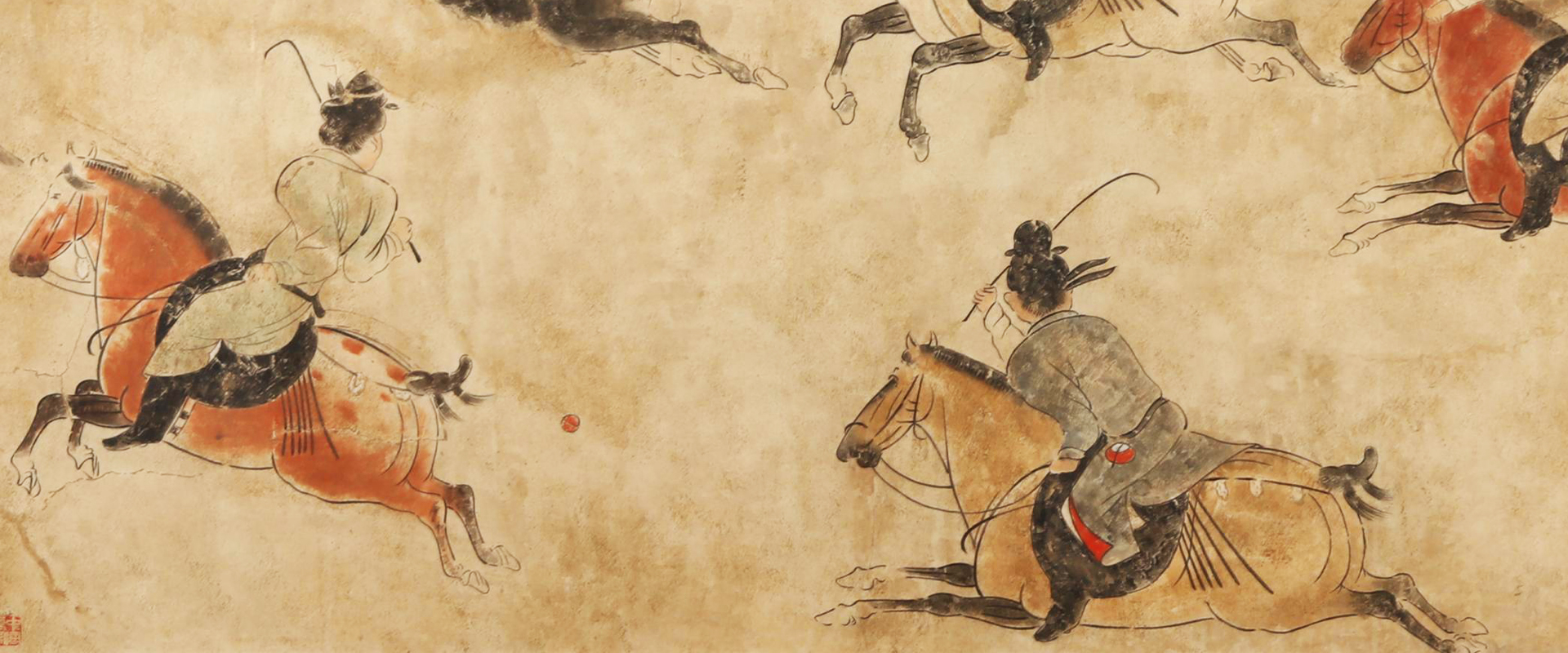 Above: a detail of an artwork with Polo Players, after Tang dynasty tomb mural
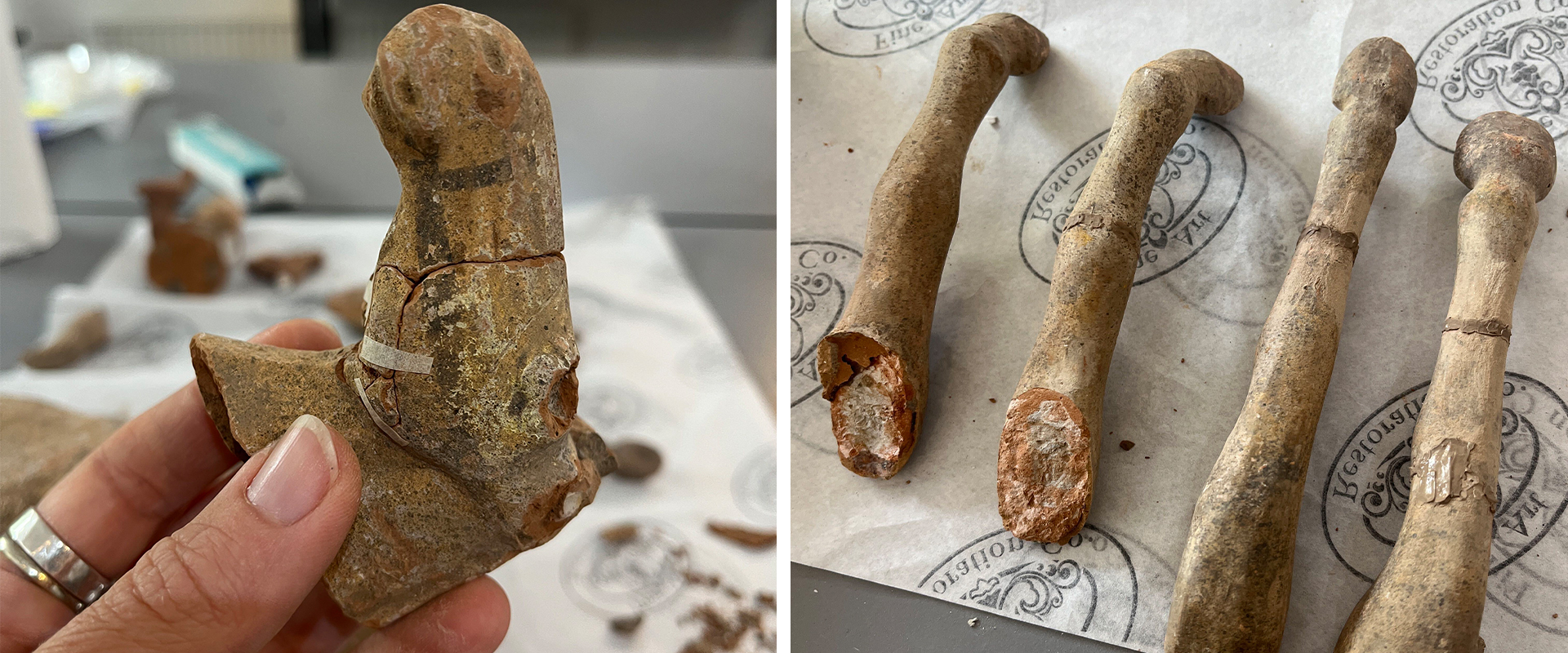
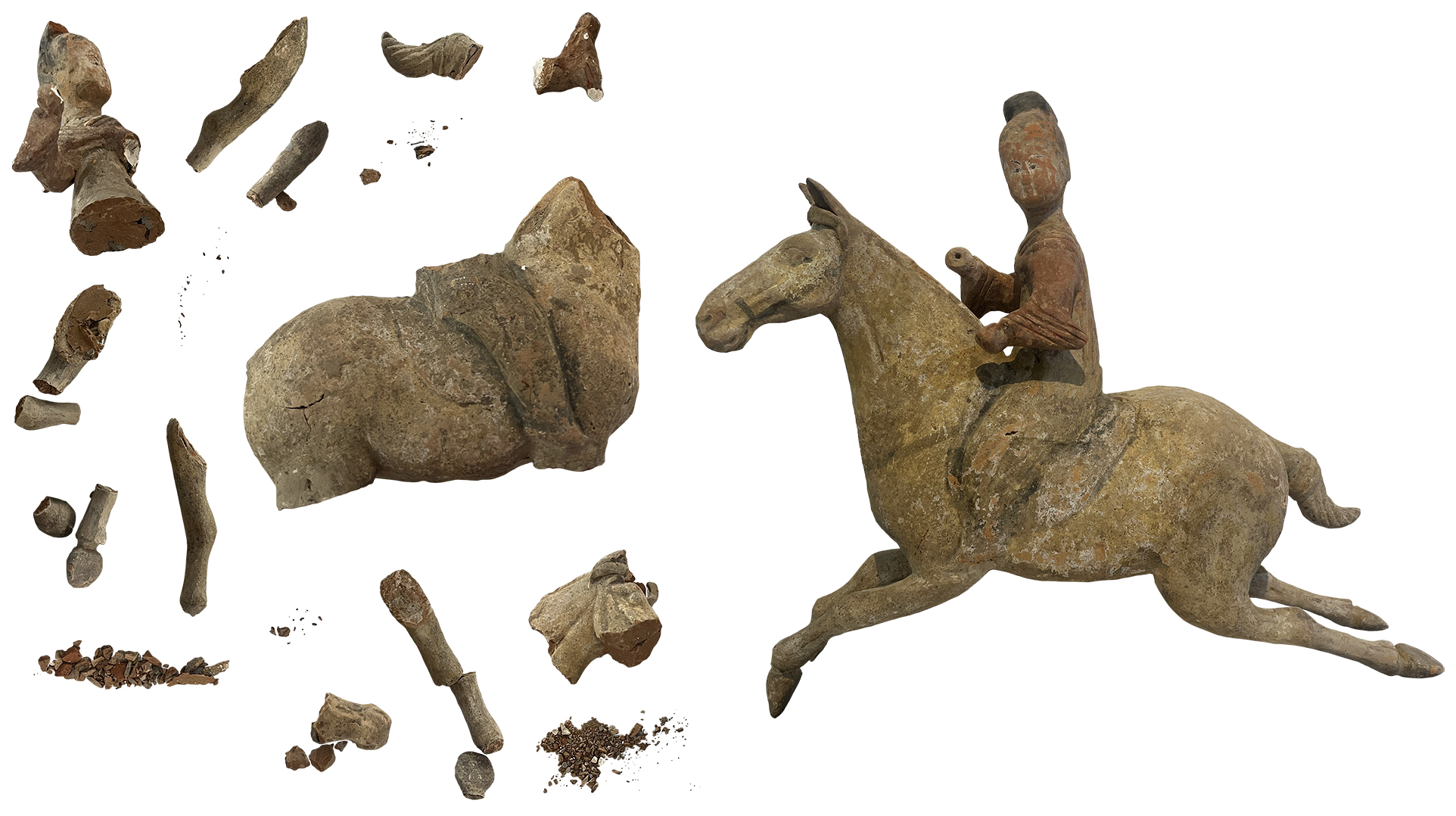
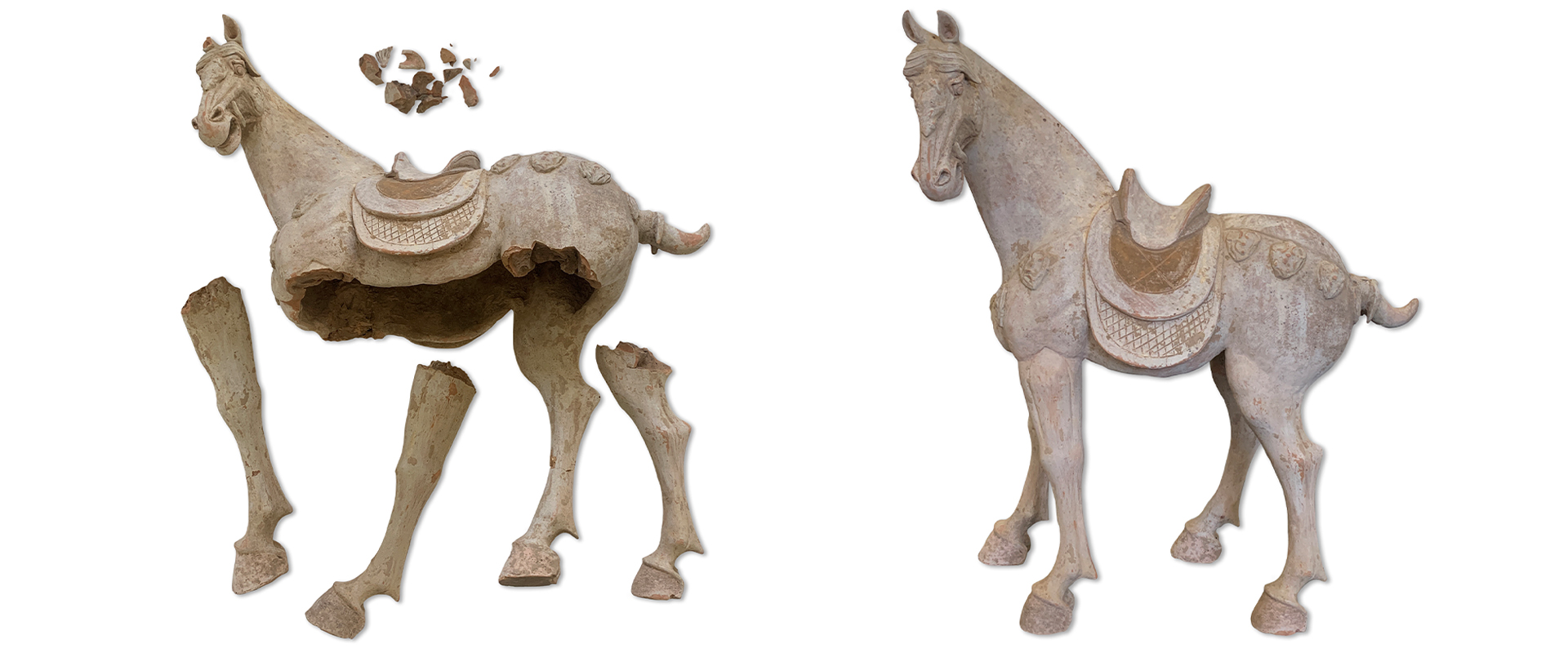
Unfortunately, the figure had suffered severe damage in much more recent history. During transit, the horse and rider had broken into 16 large pieces, alongside numerous smaller chips and powdered fragments. Examination also revealed extensive previous repairs to the horse’s legs and tail and to the rider’s arms, making reconstruction considerably more complex.
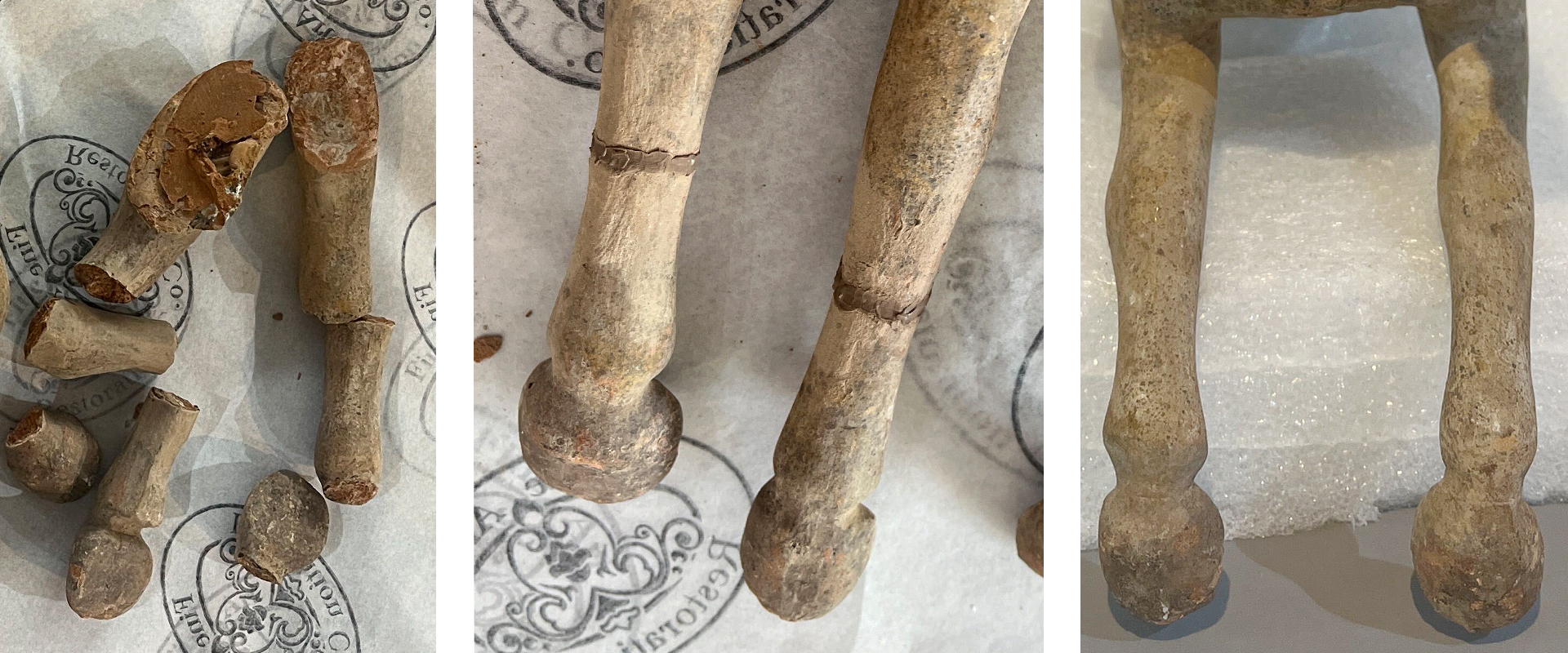
Our conservator first cleaned and examined the surviving fragments before consolidating vulnerable break edges. The larger sections could then be carefully aligned and bonded, followed by filling and refining areas of loss and retouching where required. The intention was not to disguise the figure’s age or recreate a flawless surface, but to bring the fragmented sculpture back together while retaining its surviving original material and historic character.
No dowelling was considered necessary because the repaired legs were not required to bear the sculpture’s weight. Instead, appropriate support and display were an important part of its future care, particularly given the damage it had already sustained during transportation.
The result demonstrates how even an archaeological ceramic shattered into numerous pieces may still be suitable for conservation when the original fragments have been retained.
Preserving Patina Rather Than Erasing Age
Preserving Patina is one of the most important distinctions when restoring archaeological ceramics. Worn surfaces, remnants of pigment, staining, burial accretions and changes in colour can all contribute to the story of the object.
Cleaning an ancient figure until its surface looks uniformly bright would risk removing exactly the material we are trying to preserve.
The same principle applies to filling and retouching. Where a head is reattached, for example, a small fill may be required to bridge losses around the break and visually integrate the join. Retouching can then reduce the distraction of the repair. But this does not mean painting across surrounding original surfaces or recreating extensive decoration without evidence.
Conservation should help the viewer appreciate the figure as a whole without disguising its history or introducing unnecessary conjecture.
Why Chinese Tettacotta Can Be Significant and Valuable
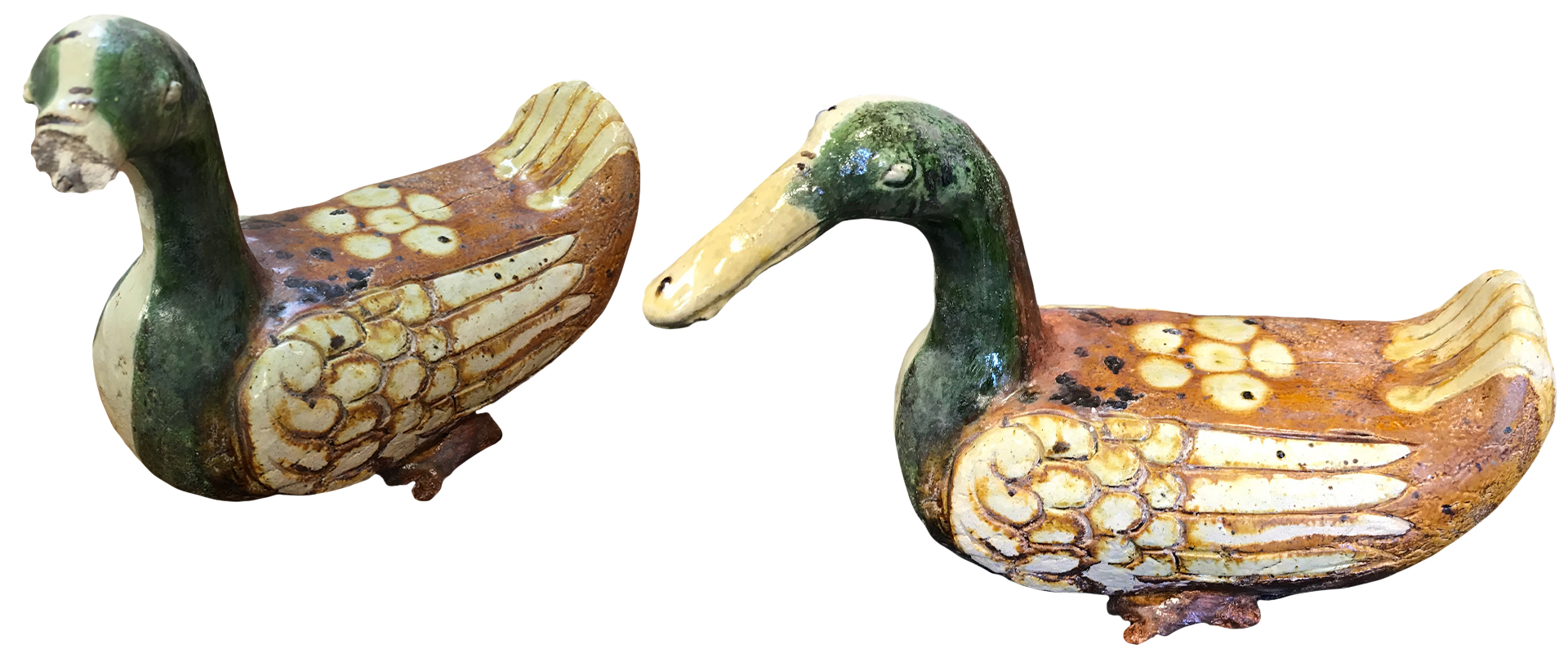
Tang Dynasty figures have an established international collectors’ market, with values ranging from around £1,500–£5,000 for more modest figures to £10,000–£30,000 or more for larger, rarer or particularly fine examples, including impressive horses, riders and sancai-glazed figures.
Authenticity, subject, size, condition, surviving decoration and provenance can all affect value, while documentation such as previous sales records and thermoluminescence testing may provide important supporting evidence. This makes careful conservation particularly important, preserving original pigment, glaze, patina and historic surfaces wherever possible rather than making an ancient object appear new.
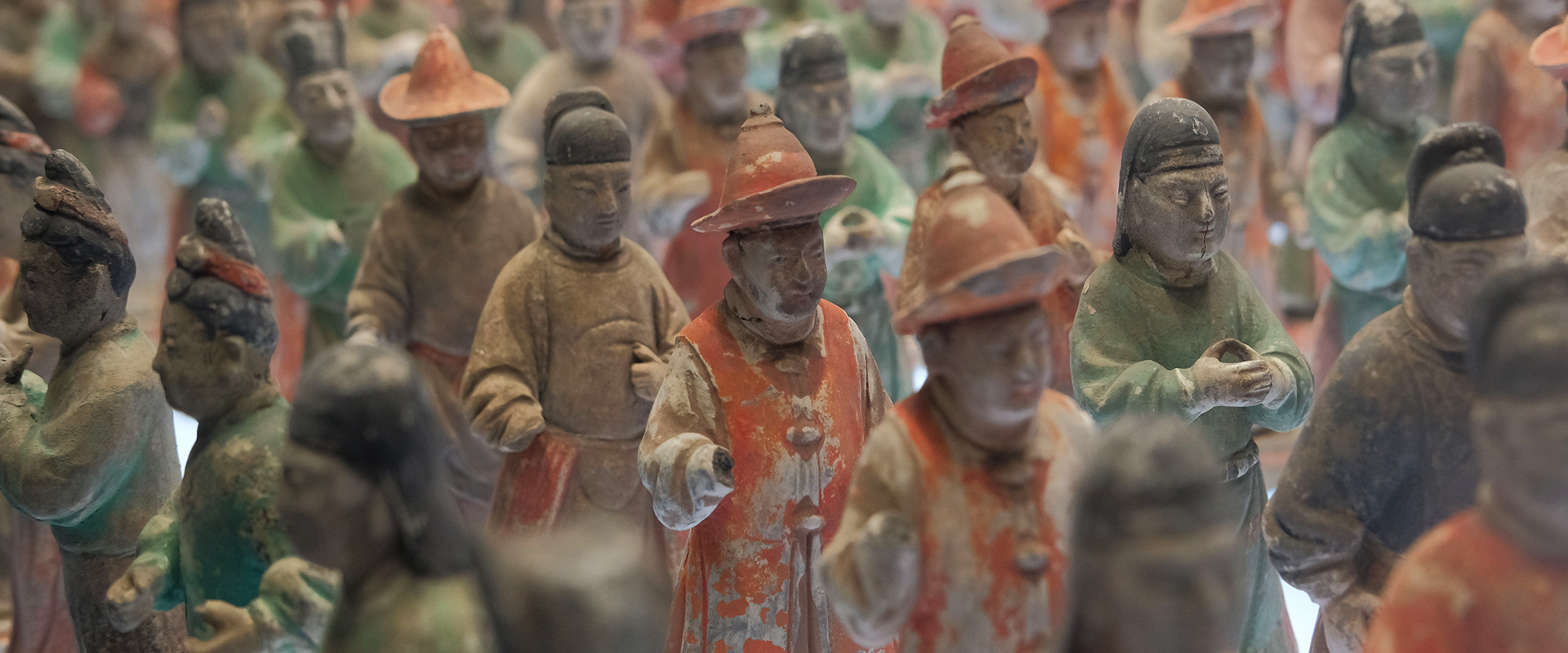 Above: a collection of Chinese figures from the Ming Dynasty
Should an Ancient Figure Look Perfect After Restoration?
The short answer is no. The temptation with a fragmented object is to regard every crack, chip and irregularity as something that needs to disappear. With archaeological material, that approach can do more harm than good.
There is an important difference between damage that threatens an object’s stability and evidence of its age.
A loose head needs securing. An unstable fragment needs consolidation. An old adhesive that is failing may need to be removed or reduced. A structural loss may require a fill so that the surviving material is adequately supported.
A worn area of ancient pigment, by contrast, should not simply be repainted because its original colour can be imagined. Nor should every small chip necessarily be reconstructed.
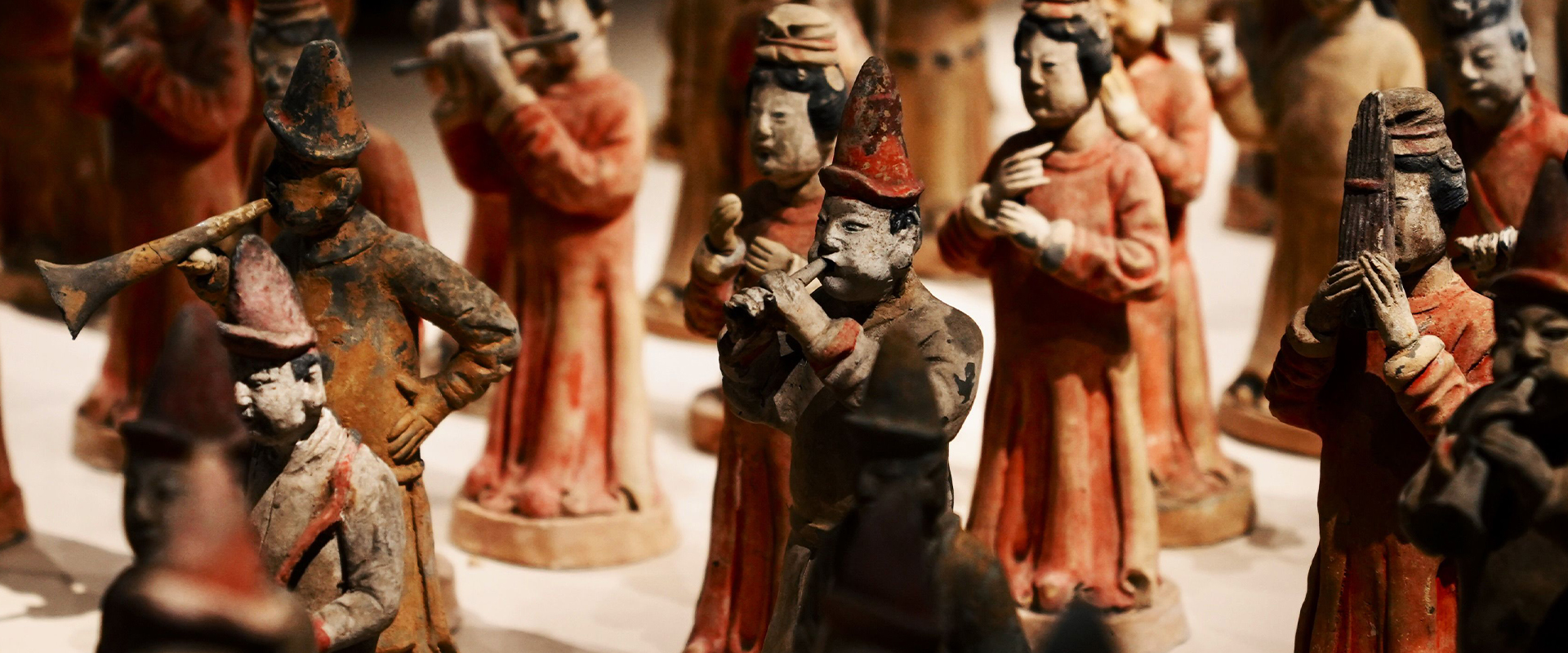 Above: a collection of Ming Dynasty figures
Contact our Experts
Do you have a Tang Dynasty horse, tomb figure or other ancient ceramic with a detached head, broken limbs or historic repairs?
Fine Art Restoration Company regularly conserves archaeological and ancient objects using a minimal-intervention approach.
Speak to our team today by calling 0207 112 7576 or filling out the form below. Our specialist objects conservators can advise on the safest next steps.
Our service includes a nationwide collection and delivery service.
